

Unraveling the myths of luck in casino gambling
The Nature of Luck in Gambling
Luck is often perceived as a mystical influence that governs the outcomes in casino gambling. Many players hold the belief that luck is an inherent quality, selectively granted to certain individuals during their gaming experiences. However, in reality, luck is not a physical entity but a term that describes the randomness present in games of chance. For instance, in slot machines, the outcomes are dictated by random number generators, which ensures that no strategy or previous experience can sway the results. In the realm of gaming, exploring options like australia online casino can highlight how randomness plays a significant role in the excitement and unpredictability of the experience. This distinction underscores the common misconception that players can somehow manipulate or control their luck during gaming sessions.
Moreover, the belief in luck can lead to various psychological phenomena, including the gambler’s fallacy. This fallacy occurs when individuals mistakenly believe that past events will impact future outcomes. For example, if a player undergoes a string of losses, they may anticipate an imminent win simply based on the assumption that luck must eventually shift. This mindset often results in players prolonging their gambling sessions in hopes of a turnaround, which can lead to significant financial setbacks. Understanding that each spin on a slot machine or roll of dice is independent is crucial for setting realistic expectations in gambling.
Furthermore, the perception of luck is not uniform and varies across cultures and individuals. In some cultures, specific numbers are considered luckier than others, which can influence betting behavior. For instance, a player may opt to place bets on a number they consider lucky, despite statistical evidence demonstrating that every number has an equal chance of being selected. This divergence from recognizing randomness can lead to misguided strategies and resultant disappointments in gambling outcomes, further complicating the already intricate relationship between luck and gambling.
The Role of Skill versus Chance
In the realm of casino gaming, the interplay between skill and chance varies significantly across different games. Table games such as poker incorporate a considerable amount of skill and strategy, requiring players to read their opponents, manage their bankrolls, and make calculated decisions based on probabilities. Unlike slot machines, where outcomes are dictated purely by chance, skilled players can theoretically enhance their odds, leading to more consistent wins over time. This fundamental difference illustrates that not all casino games are created equal when it comes to the influence of luck versus skill.
Despite the skill element present in games like poker, even the most experienced players cannot entirely escape the element of chance. A skilled player may consistently make advantageous decisions, but they still contend with the unpredictability of card distribution and the actions of other players. This intricate interaction between skill and chance is precisely what makes poker an engaging and multifaceted game. The belief that skilled players always emerge victorious can foster the myth that luck is irrelevant in every casino game, which is a significant oversight.

On the other hand, games like baccarat or roulette predominantly hinge on chance, where a player’s skill has minimal or no impact on the outcome. While players may employ various betting systems in an attempt to gain an edge, these strategies are often based on misguided assumptions regarding the control of luck. Understanding the degree of chance inherent in various games is essential for players to manage their expectations effectively and approach gambling responsibly. A clear awareness of the skill versus chance dynamic can lead to a more informed and enjoyable gaming experience.
The Psychological Impact of Believing in Luck
The belief in luck can exert significant psychological effects on gamblers. Many individuals cultivate superstitions or rituals they believe will enhance their luck, such as wearing specific clothing or performing particular actions before placing bets. These behaviors often stem from a desire for control and a coping mechanism for the uncertainty surrounding gambling outcomes. However, these rituals can foster a false sense of confidence, which may lead to riskier betting behaviors and poor decision-making.
Additionally, the myth of luck can create cognitive dissonance among players, who may grapple with the conflict between their beliefs and the reality of their gambling experiences. For instance, a player who frequently loses may attribute their setbacks to bad luck rather than confronting their own poor decision-making. This mindset can perpetuate a cycle of gambling, as players might chase losses in hopes of a ‘lucky’ comeback. Recognizing these psychological traps is vital for fostering a healthier approach to gambling and maintaining balanced behaviors.
The emotional highs and lows associated with gambling are also heightened by the belief in luck. Winning can induce a euphoric state, reinforcing the notion that luck is on a player’s side, while losing can result in feelings of despair and hopelessness. This emotional rollercoaster can become addictive, driving individuals to gamble more frequently in search of that elusive, life-altering lucky break. By acknowledging the psychological effects of these beliefs, players can cultivate more sustainable habits and enjoy gambling as a form of entertainment rather than a potential escape from reality.
The Influence of Casino Marketing on Perceptions of Luck
Casino marketing plays a pivotal role in reinforcing the myths surrounding luck, employing imagery and language that emphasize fortune and chance. Many casinos position themselves as the ultimate destination where dreams can become reality, presenting an idealized version of winning that lures individuals into gambling. This marketing strategy capitalizes on the notion of luck, suggesting that anyone can enter and experience a life-altering win at any moment, which can be misleading and ultimately harmful.
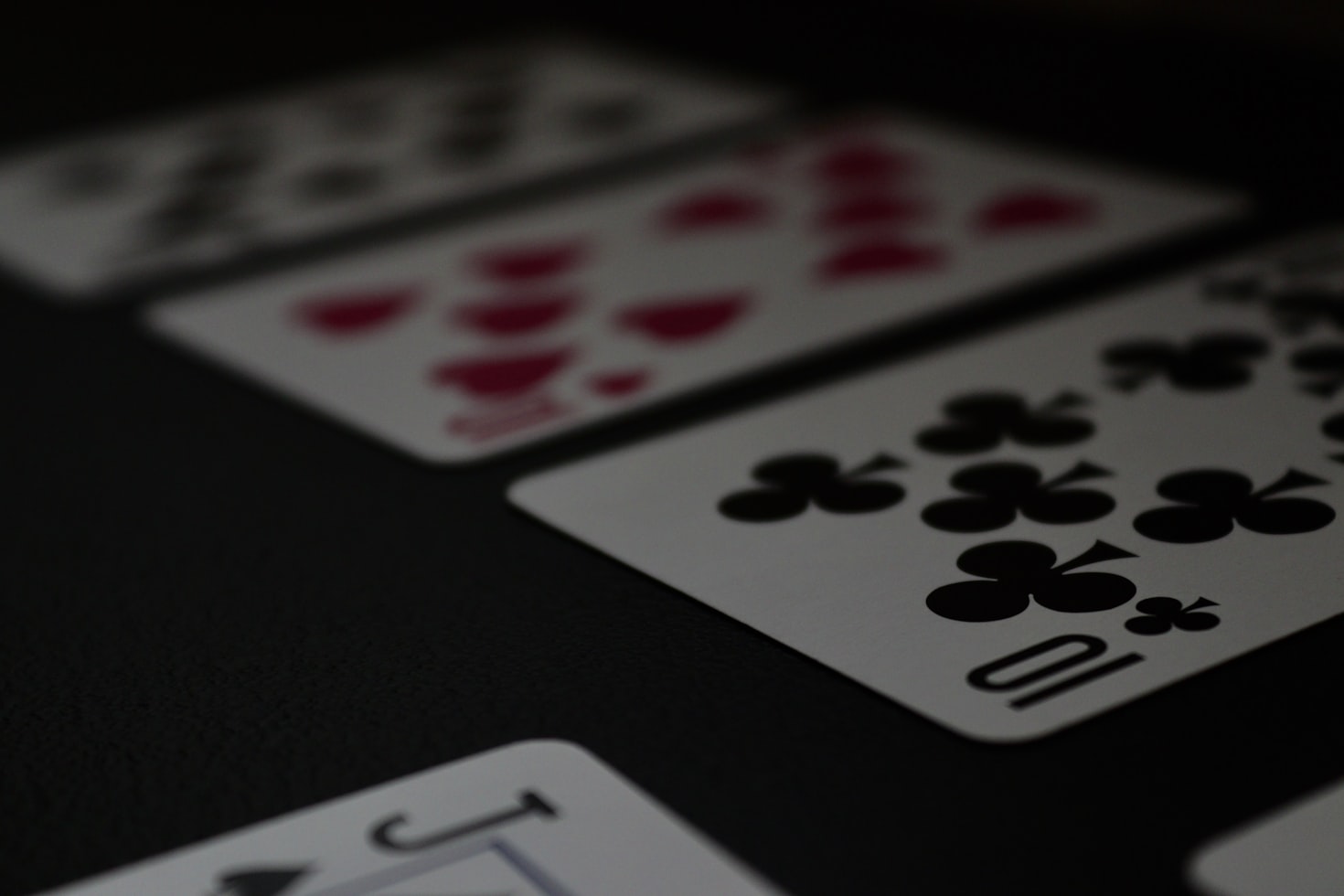
Additionally, casinos often spotlight big wins and high-profile jackpots in their advertising campaigns, creating an environment where luck appears to favor a select few. Such portrayals can encourage increased participation in gambling, as individuals become motivated by the fantasy of striking it rich. However, the stark reality is that the vast majority of players will encounter losses in the long run, with only a small fraction ever winning substantial amounts. Understanding the role of marketing in shaping perceptions of luck is crucial for players seeking a more realistic view of gambling.
The vibrant and exhilarating atmosphere crafted by casinos—from dazzling lights to celebratory sounds—also contributes to the illusion of luck. This sensory experience engages players emotionally, encouraging them to continue betting in pursuit of that fateful moment of success. While the enjoyment of the casino environment is undeniable, it is essential for players to remain cognizant of the manipulative aspects embedded in these settings. Recognizing the influence of marketing on perceptions of luck can empower individuals to make more informed decisions regarding their gambling habits.
Exploring Responsible Gambling and Education
Education serves as a powerful tool in dispelling the myths surrounding luck in casino gambling. By providing players with accurate information regarding the odds of various games and the nature of randomness, casinos and gambling organizations can cultivate a culture of responsible gambling. Understanding that luck is merely one factor among many can empower individuals to make informed choices, thereby reducing the likelihood of developing problematic gambling behaviors.
Moreover, promoting responsible gambling initiatives can counteract the misconceptions that often lead to unhealthy gambling habits. Programs designed to educate players about the mathematical principles underpinning games can demystify the concept of luck and encourage players to adopt a more analytical mindset. For example, understanding the house edge in any given game can illuminate the reality that, over time, the odds are not in the player’s favor, thereby influencing their betting strategies and overall approach to gambling.
Ultimately, fostering a culture of responsible gambling is essential for safeguarding players and ensuring that gambling remains an enjoyable pastime. Encouraging open dialogue about luck, probability, and risk can aid in demystifying the gaming experience and promoting healthier attitudes. By shifting the focus from luck to informed decision-making, both players and casinos can contribute to a more positive and sustainable gambling environment. Education and awareness are key in ensuring that the thrill of gambling is balanced with a sense of responsibility and understanding.